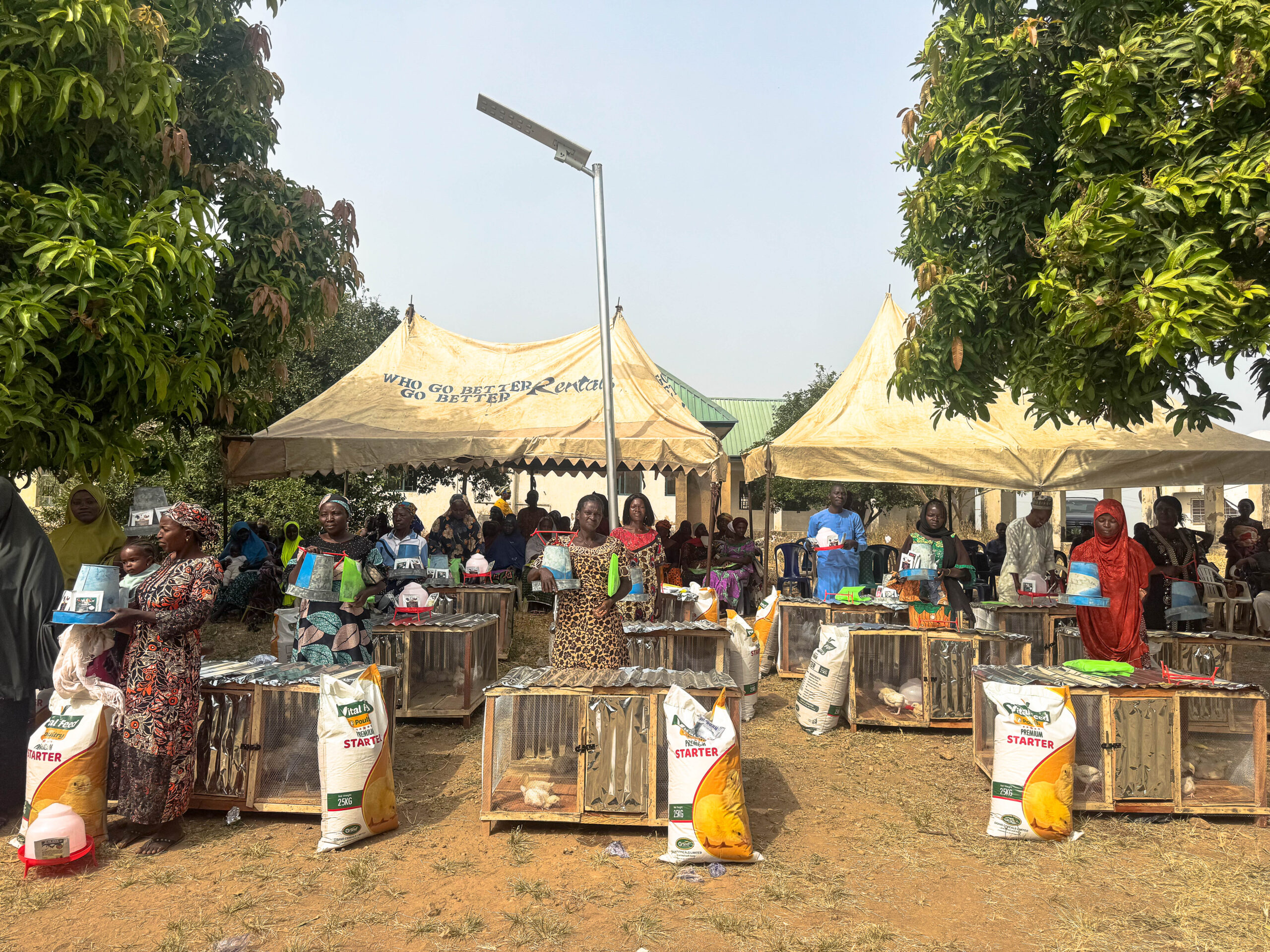
The Institute of Human Virology Nigeria (IHVN) has launched a five-year project aimed at empowering 1,200 vulnerable households in Katsina and Nasarawa States by promoting sustainable agriculture, malaria prevention, and healthy nutrition practices.
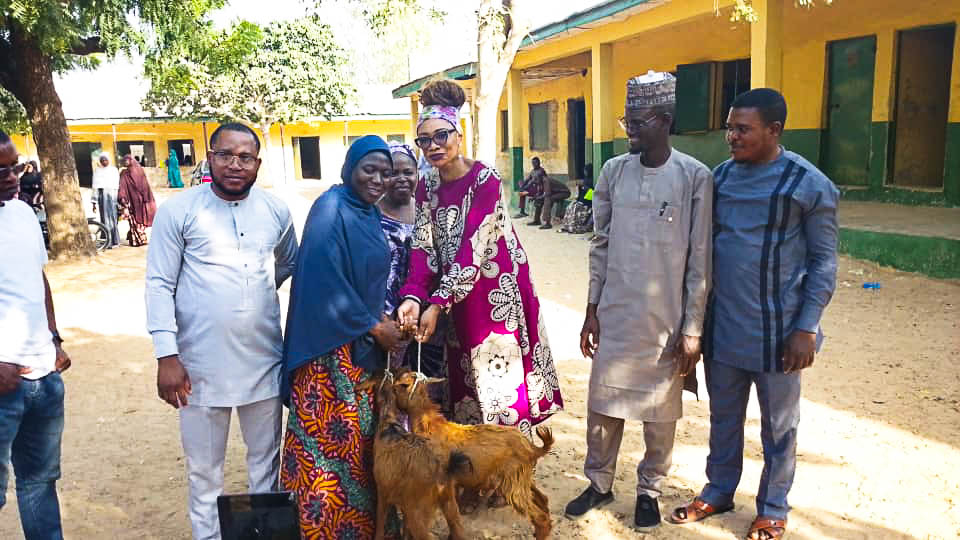
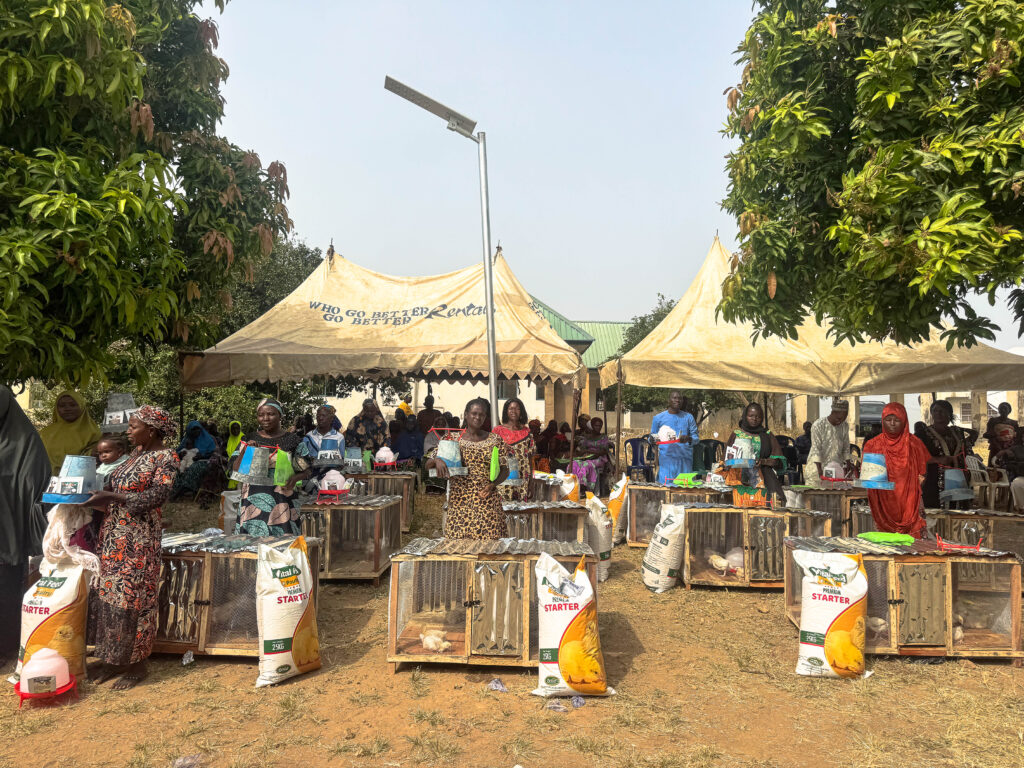
At the launch which held simultaneously in the two states, project beneficiaries received livestock such as pigs, goats and chickens, along with tools, seeds and capacity building for livestock and crop farming. The households were also trained on nutrition, financial management through Village Savings and Loan Associations (VSLA) and malaria prevention activities.
According to the Project Director at IHVN, Dr. Victoria Igbinomwanhia, the Institute is collaborating with the Ministry of Agriculture and Food Security, the Ministry of Health, community-based organizations and community leaders to equip, guide and supervise the benefitting households for sustainable agricultural and health practices.
“This project builds on our years of public health project implementation and care for people infected and affected by HIV, including orphans and vulnerable children. We are currently providing HIV services in four states. We picked two out of the four states as the focus states for this project based on empirical evidence of vulnerability of the households. Some of our considerations were the poverty index, malaria and HIV prevalence. We conducted a vulnerability assessment and picked the most vulnerable homes – 400 in Katsina and 800 households in Nasarawa State.”
Dr. Igbinomwanhia added that the project aims to improve the resilience of the households.
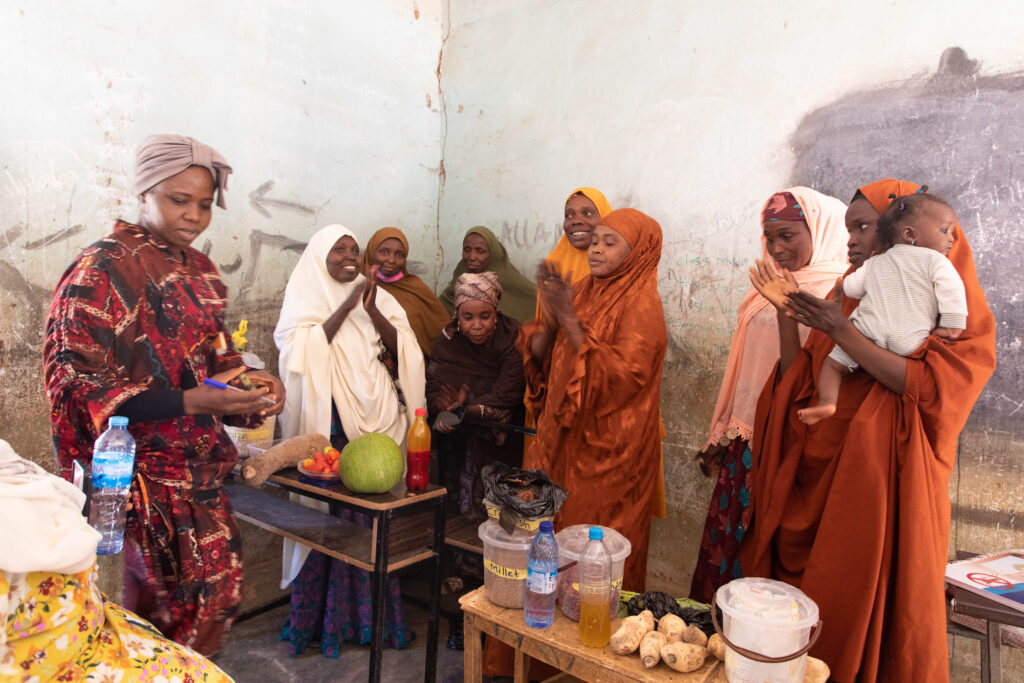
“We will be conducting food demonstration trainings using locally available food items. Community workers will be supporting this activity from house to house after the flag-off training. The beneficiaries will also be taught soap making to support water, sanitation and hygiene practices.
The households have been categorized into three agricultural groups, 200 households for livestock farming, 400 for home gardening and 600 for community farming to grow vitamin and protein rich crops to promote healthy nutrition.”
She explained that in addition to the livestock and seeds, beneficiaries are also being given pots for planting, animal shelter, medications for livestock and fertilizer.
“In partnership with the government, we have trained community workers and will continue supervising farming activities and teaching new farming techniques for better yield.”
She said that the project is also collaborating with 13 health facilities for easy referral of malaria and severe malnutrition cases.
Community worker, Oluwayemisi Adeniji said that she has high expectations that the knowledge gained by the beneficiaries will improve the health and nutrition of all the households involved.
“We are expecting that the empowered households will share the knowledge and skills gained with their community members. Learning is a continuous process. We will be following up with them to ensure that they put their skills to practice.
Project beneficiaries, 35-year-old Marakisiyya Yusuf and 42-year-old Sulieman Mashi from Daura Local Government Area in Katsina State said that the skills gained from the kick-off training have been beneficial.
“I have learned how to use the Village Savings and Loans Association to save for the future. I will start a savings group in my community with my friends and neighbors at Tudun Wada,” Marakisiyya said.
Sulieman is also eager to start a savings group and teach is wife how to cook balanced nutritional meals with the knowledge gained from the food demonstration activity.
The project is being implemented by IHVN with funding support from BMZ/Gesundes Africa.