• Working Hours - Mon - Thu: 8:00 - 17:00; Fri: 8:00 - 14:00
What are you looking for?

Category Archives: Success Story

From Hopeless to Hopeful – A DR-TB Survivor’s Journey to Health

The journey to health for people who are diagnosed with drug-resistant tuberculosis (DR-TB) requires treatment and care at health facility and community levels. Through funding from the Global Fund to Fight HIV, TB and Malaria, the Institute of Human Virology Nigeria (IHVN), its sub-recipient organizations across the 36 states and Federal Capital Territory (FCT) and community-based organizations have formed a network of care to support individuals diagnosed with DR-TB.

With leadership and oversight from the National Tuberculosis Leprosy and Buruli Ulcer Control Program (NTBLCP), the IHVN Nigeria TB and HIV Reach and Impact Project (N-THRIP) has identified more than 3,000 people with drug-resistant tuberculosis between January 2024 and December 2025.

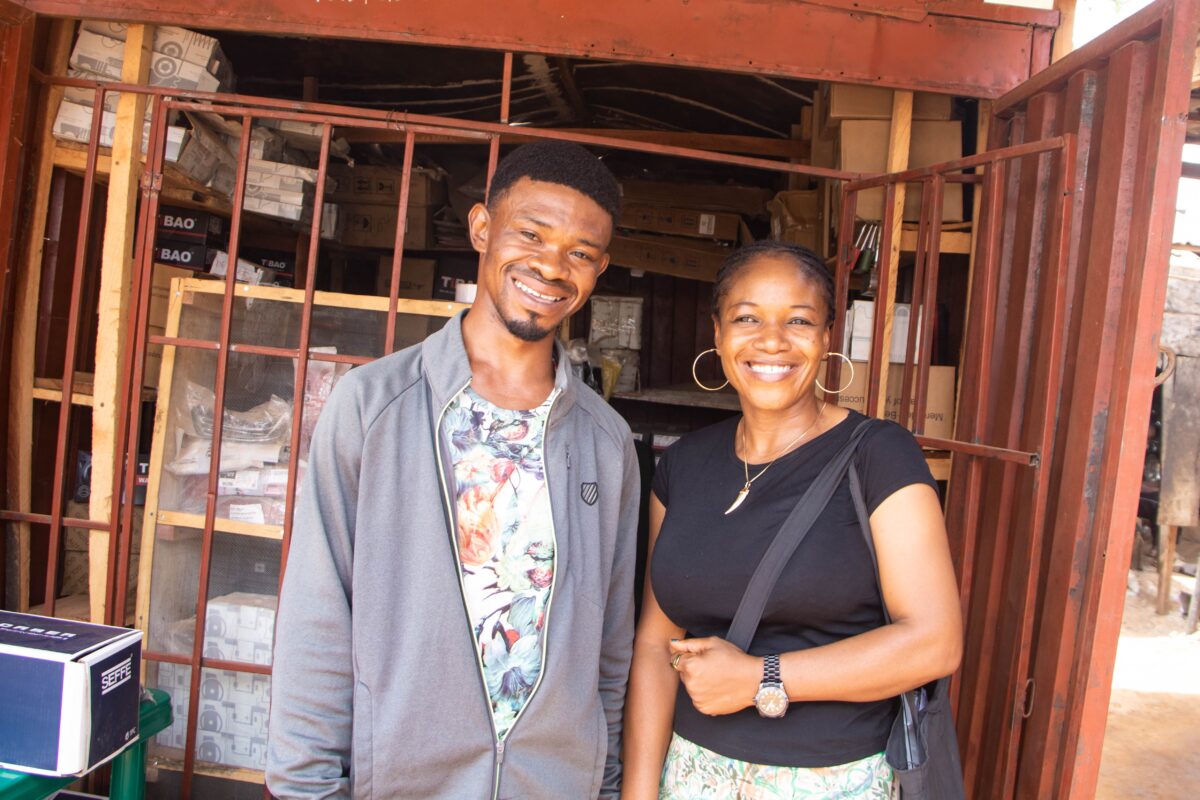
32-year-old Simon Chukwuma, a car spare parts dealer in Abuja is a DR-TB survivor who has benefitted from the care and treatment services provided by the N-THRIP project.

“I used to think that tuberculosis is a disease for rich people because only rich people can afford the treatment. That was until I was diagnosed with DR-TB in August 2025,” Chukwuma said.

Chukwuma experienced symptoms such as coughing out blood, chest pain, dizziness, weakness and drenching night sweats. He received several diagnoses like malaria, typhoid, ulcer etc from chemists and private providers before being diagnosed in Wuse General Hospital, Abuja for drug-resistant tuberculosis.

He managed the symptoms quietly for more than a year because he was afraid of losing his apprenticeship position as a car spare parts dealer with his employer.

“I come from a poor family and I am the first born. I’ve had a great opportunity to learn dealership in car spare parts for six years. I started having these symptoms when I was about concluding my apprenticeship. I didn’t want to lose out on being paid off to start my own business,” Chukwuma said.

His lonely path to seeking health care did not yield results. He lost weight until he became emaciated. He even took herbs to no avail and wondered whether it was a witchcraft attack. Chukwuma’s employer stepped in to support when his condition became visibly worse. Eventually, it was a concerned person in the church where he serves as a chorister who referred him to a public hospital for tuberculosis screening and tests.

“I gave my sputum for a test at the hospital and was informed when the result was positive. I felt weak in my spirit when I heard the diagnosis, but I had to be strong. My father is dead and I could not tell my mother in the village about the sickness because I was afraid that she might faint.”

Chukwuma found support when he needed it the most from dedicated health care providers and community workers. He received free medications from the hospital and the Directly Observed Treatment (DOT) Officer there encouraged him to adhere to his medication despite the side effects. He gradually got better as he worked with this counsel.  

According to him, staff of Dawn of Life Foundation (DOAF), a community-based organization supported by the N-THRIP project became like a family to him even when he had to temporarily move to Enugu State from the Federal Capital Territory to stay with his younger brother to recuperate fully.

“They told me that I will get through it. They called to check if I’m taking medications daily as stipulated. They ensured that I got a monthly stipend and that my brother, who was my treatment supporter also got a stipend. They also counselled me on how to prevent transmission to others and stay healthy. I always used a nose mask and tried to eat well, even though initially, my appetite was poor,” he explained.

Chukwuma now feels more alive than he has ever been. He completed a six-month treatment for drug-resistant tuberculosis in February 2026 with support from family, his employer, his friends and his newfound family of health workers at the facility and community level who made is treatment journey successful.

“Before, I could not even walk a few meters because I used to feel dizzy and weak, now I can move around with agility. When my employer paid me off and I graduated from the apprenticeship, I even travelled from Abuja to Lagos to get car spare parts to start my own business,” he said beaming with smiles.

“I love to sing in church, and I can play the guitar. When I was sick, I was unable to do that, now I do that with ease. I felt hopeless before, like the sickness was a death sentence, now I am strong and healthy. I’ve completed treatment and I am DR-TB free.”

DOAF Staff, Gladys Shir supported Chukwuma through his treatment journey. She is also excited about his health and sometimes calls him to share his story in the hospital with others just diagnosed with DR-TB. She said that since the N-THRIP project started in January 2024, her community-based organization has supported more than 50 DR-TB patients in the FCT.

DOAF works with Association for Reproductive and Family Health (ARFH), which is a sub-recipient to IHVN on the GF supported N-THRIP project in the FCT.

“Free diagnosis and treatment for DR-TB is provided in Nyanya General Hospital, Wuse General Hospital, Kubwa General Hospital, University of Abuja Teaching Hospital (UATH) and Kwali General Hospital,” Gladys said.

Through the N-THRIP project, IHVN works in collaboration with National TB Program, State TB programs, sub-recipients and CBOs to strengthen DR-TB treatment and care across the country, including support for treatment centres, sample transportation, laboratory – diagnostic and follow-up tests, linkage to treatment, treatment monitoring, follow-up, and social and transportation support for DR-TB patients.

Over the years, IHVN has built capacity in DR-TB care training LGA DR-TB teams as well as health workers in the DR-TB centres across the country.

Given observed clinical and programmatic gaps in TB care cascade and precisely in DR-TB management, IHVN will funding support from the Global Funds to fight AIDS Tuberculosis and Malaria and in conjunction with the NTBLCP has designed plans in improving care of care among DS/DRTB clients using accountability matrices and digital health adherence mechanisms to improve quality of care and enhance treatment outcomes.
Leaving No Woman Behind: IHVN Engages Traditional Birth Attendants for PMTCT Services in Communities 

Though utilizing antenatal care services in a health facility contributes to improving maternal and child health, some women prefer to patronize the services of traditional birth attendants (TBAs) in their communities. This may be due to transportation costs, user fees at hospitals, and ease of access to TBAs amongst other reasons. According to the 2024 Nigeria Demographic and Health Survey, 56% of live births still occur at home, while only 43% take place in a health facility. Just 63% of women with a recent live birth received antenatal care from a skilled provider, and 26% received no antenatal care at all. Forty-seven percent of women cite the cost of treatment as a barrier to seeking care, and 25% cite distance to the nearest health facility.

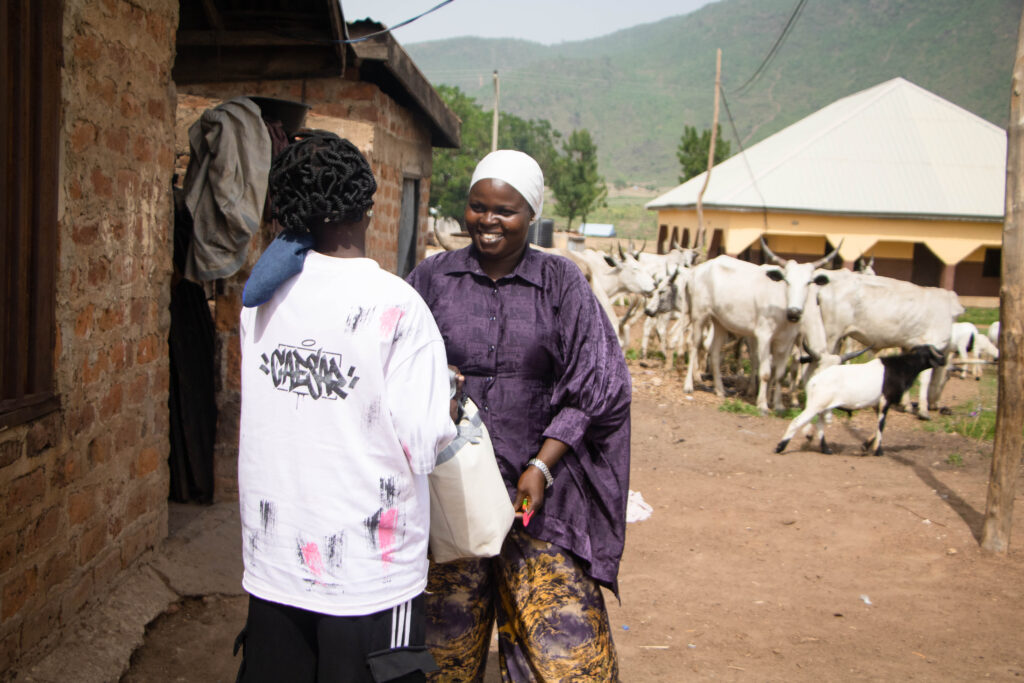
For women living in hard-to-reach communities, nomadic settlements, and low-income households, traditional birth attendants (TBAs) often remain the first and sometimes only point of maternal care.

The Nigeria TB HIV Reach Integration and Impact Project (N-THRIP) implemented by the Institute of Human Virology Nigeria (IHVN) engages TBAs and local maternity homes to ensure that no one is left behind in the fight against mother-to-child transmission of HIV (MTCT).

With funding support from the Global Fund to Fight HIV, Tuberculosis and Malaria, IHVN builds the capacity of TBAs and supplies them with test kits for HIV, syphilis and hepatis B for testing of all pregnant women they attend to. Globally, the World Health Organization notes that without intervention, mother-to-child transmission of HIV ranges from 15% to 45% but can be reduced to below 5% with effective interventions during pregnancy, labour, delivery and breastfeeding making early identification and linkage to care critical.

A Trusted Hand in the Community: Adama’s Story

Adama Mohammed, who lives in Karshi, in the Federal Capital Territory (FCT) is one of the 6,233 TBAs engaged by the project in 36 states and the FCT. She says that she has gained counselling skills and the capacity to test for syphilis since her engagement in the project. She constantly interacts with a mentor mother for referrals of HIV positive pregnant women from her center to nearby health facilities for care.

Adama takes an average of 30

deliveries monthly, most of which are in the homes of women in hard-to-reach communities and nomadic settlements. She appreciates the support from GF-NTHRIP because it protects the health of mothers, their babies as well as her health as a TBA.

“I have been a TBA for close to 17 years. I move around with my delivery bag and respond to calls all day and night. Some pregnancies are difficult and I am relieved that I can contact the hospital and even take the women there when the need arises. Many communities see me as a trusted and capable hand because of the safe deliveries that I have handled. They do not hesitate to listen to my counsel when I refer them to the hospital,” Adama reveals.

Community Trust to Clinical Care: Lotan’s Journey

One of the pregnant women referred by Adama, is 22-year-old Lotan, who walked into her center with a friend on one of the Saturdays in January 2026.

“She was six months pregnant for her first baby. As usual, I tested for HIV, syphilis and Hepatitis B. Her HIV test result came back positive. I quickly called the mentor mother, Jummai, who lives close by to come and accompany her to a comprehensive facility for confirmation, subsequent care, and treatment. She is always ready to assist, “the TBA explains.

At General Hospital Karshi, the test confirmed Lotan’s HIV positive status.  Lotan was counselled and   immediately commenced on antiretroviral treatment to prevent mother-to-child transmission of HIV. She also commenced Isoniazid Preventive Therapy (IPT) for the prevention of tuberculosis in pregnant women.

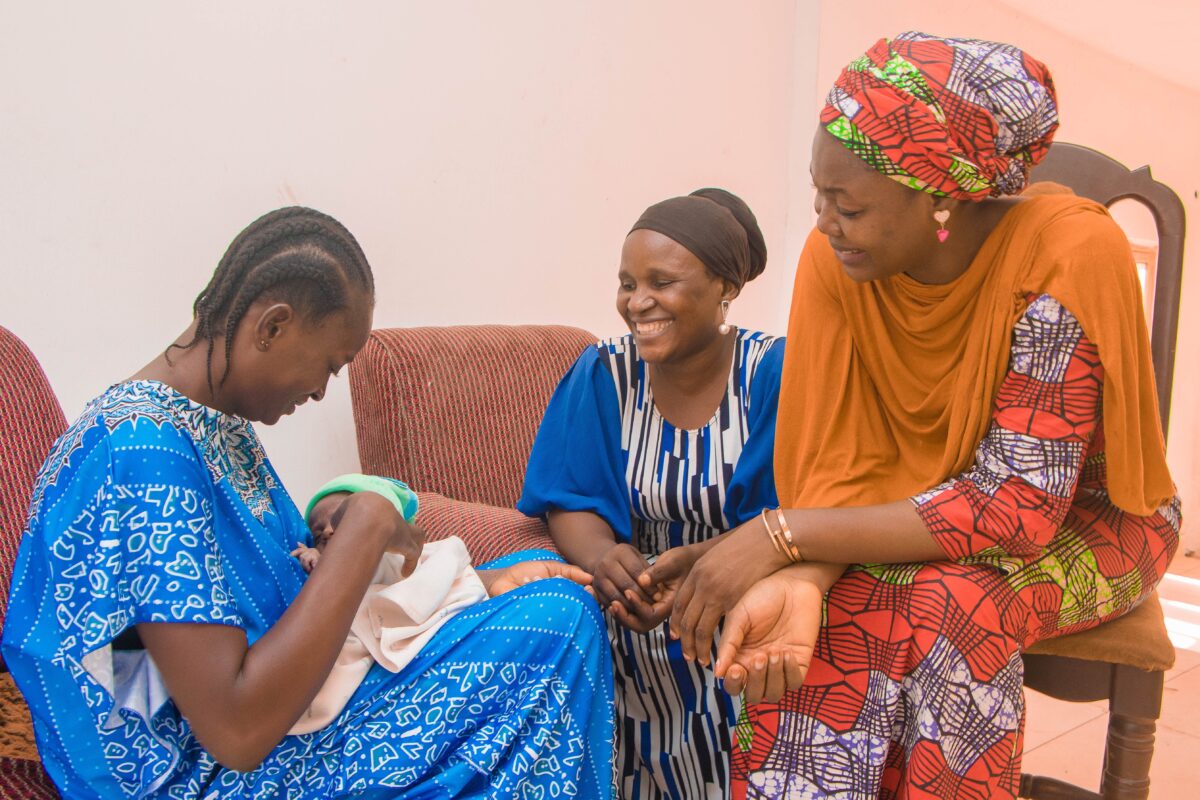
It was not easy for Lotan to accept her HIV positive status and take medications without constant follow-up and support from both the TBA and the mentor mother. The mentor mother is a symbol of hope for Lotan.

 “I see how beautiful she looks, and I tell myself that if this woman can live well, then I can too. HIV is not a death sentence,” Lotan says.

Lotan narrates that the TBA was her preferred option because her neighbour and friend recommended it and because she could not afford transportation and hospital costs for antenatal care.

“The community where I live is behind a hill. To get to the General Hospital in Karshi, I’ll need to take a motorcycle for ₦2,500. This means that I’ll have to spend ₦5,000 for every trip. When I calculated the costs, I realised that I would not be able to afford approximately ₦50,000 for transportation and hospital fees for antenatal care visits alone,” she adds.

A Network of Support

The support that Lotan receives from the TBA, mentor mother, hospital staff and very importantly, her husband has convinced her that every antenatal care visit is important for her and the baby’s health.

Lotan also received a Mama Pack (delivery kit) from the NTHRIP project. The kit is given to all pregnant women living with HIV identified through the project – it has essential items for delivery such as mackintosh, saniarty pads, olive oil, Menthylated Spirit etc.

One of Lotan’s joys is the safe delivery and HIV negative result of her baby boy in May 2026.

Program Impact: Scaling a Community-to-Clinic Model

IHVN Senior Programme Manager for the GF-NTHRIP Project, Dr. Adebayo Opeyemi, states that between January 2023 and April 2026, 60,733 HIV free babies have been born with support from the project in the 36 states and Federal Capital Territory.

“GF NTHRIP is fundamentally reshaping how PMTCT services are delivered across Nigeria. Rather than waiting for women to present at health facilities, the project brings lifesaving services directly into communities, ensuring that no pregnant woman is left behind, regardless of geography or circumstance.”

Partnerships Behind the Progress

IHVN implements the project in collaboration with sub-recipients across the country and with the technical oversight of key government stakeholders, including the Federal Ministry of Health and Social Welfare (FMoHSW), the National AIDS and STDs Control Programme (NASCP), the National Agency for the Control of AIDS (NACA), the National Tuberculosis, Buruli Ulcer and Leprosy Control Programme (NTBLCP), the Network of People Living with HIV and AIDS in Nigeria (NEPWHAN), and a broad network of community-based organisations (CBOs).

In the FCT, Kogi, Nasarawa, Ekiti, Kwara and Rivers states, IHVN partners with the Association of Family and Reproductive Health (ARFH) as sub-recipient to implement the project.

Looking Ahead

For women like Lotan, the project is closing the distance between community trust and life-saving clinical care.

Dr Adebayo notes that, “By equipping TBAs to test, counsel, and refer and by pairing them with mentor mothers and health facility teams GF-NTHRIP is helping ensure that pregnancy does not become the moment when women in underserved Nigerian communities are lost from HIV services. With effective PMTCT interventions, mother-to-child transmission of HIV can be reduced/ eliminated, making early identification and sustained linkage to care essential to ending paediatric AIDS in Nigeria.”

Sources Referenced

  1. Nigeria 2024 Demographic and Health Survey Summary Report — DHS Program: https://dhsprogram.com/pubs/pdf/SR294/SR294.pdf
  2. Elimination of Mother-to-Child Transmission (EMTCT) — WHO AFRO: https://www.afro.who.int/health-topics/hivaids/emtct
  3. Mother-to-Child Transmission of HIV — WHO: 
https://www.who.int/teams/global-hiv-hepatitis-and-stis-programmes/hiv/prevention/mother-to-child-transmission-of-hiv

4. HIV Initiative ‘Prevention of Mother-to-Child Transmission’ Saves Exposed Infants — WHO AFRO:

https://www.afro.who.int/news/hiv-initiative-prevention-mother-child-transmission-saves-exposed-infants-nigeria

A Nurse’s Commitment: How Compassion is Changing TB Care in Nigeria  

Our Lady of Apostles Hospital, Jos, a Faith-Based Organization (FBO) is one of the private providers providing tuberculosis (TB) and HIV services with support from Leprosy and Tuberculosis Relief Initiative (LTR), a sub-recipient of the Institute of Human Virology Nigeria (IHVN)

With funding support from the Global Fund to Fight HIV, TB and Malaria, the hospital provides tuberculosis services. 

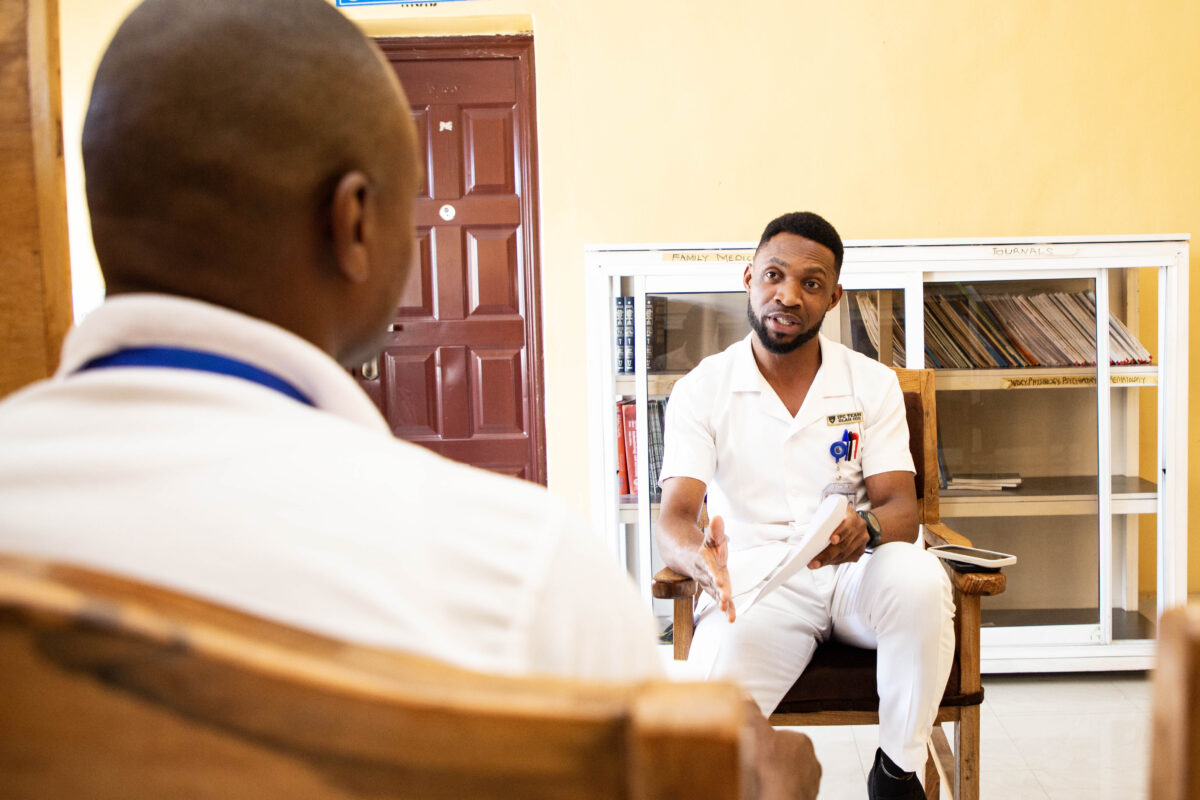
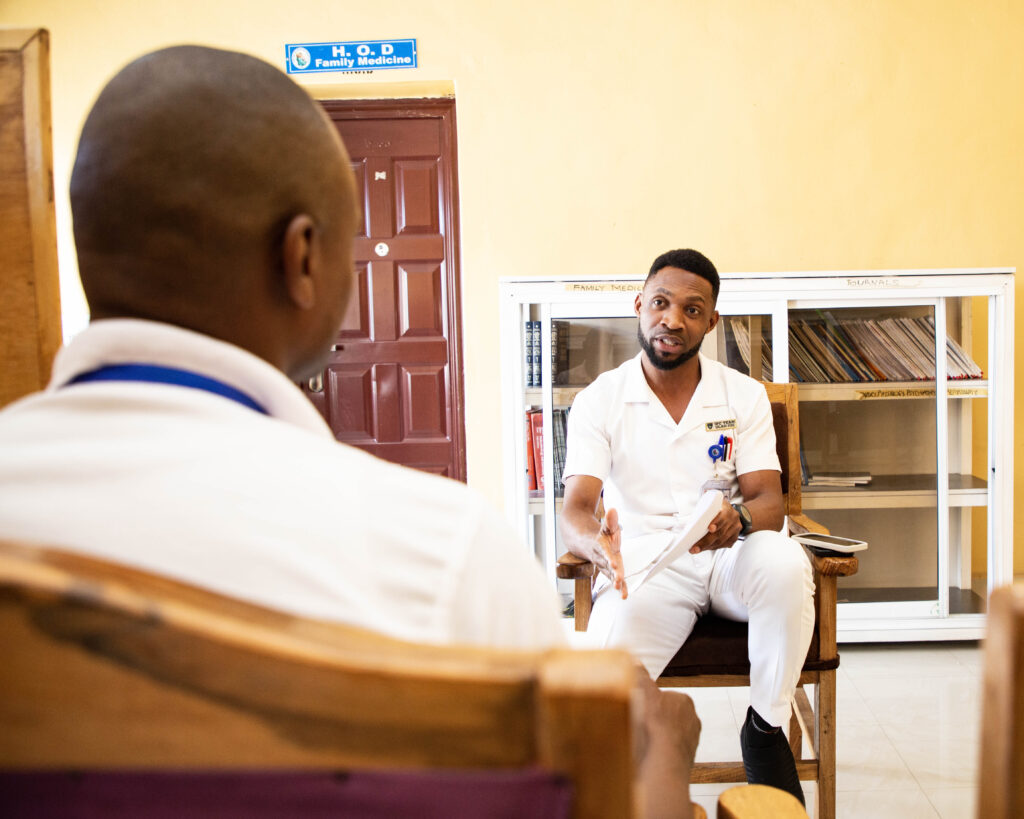
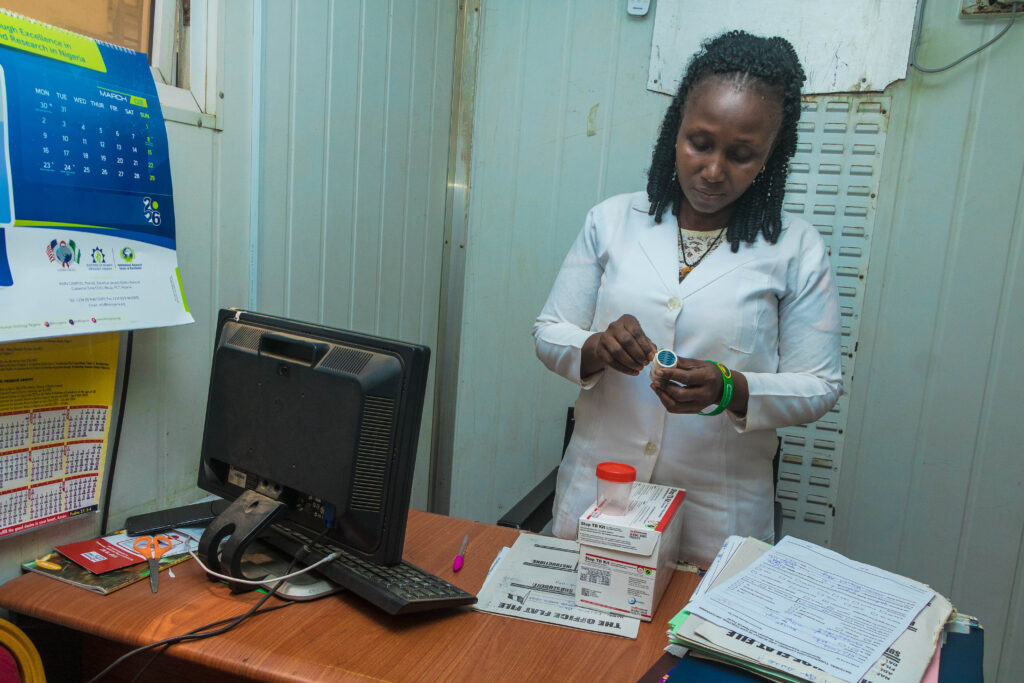
For the hospital, the fight against tuberculosis (TB) is not just clinical, it is deeply personal. At the heart of this effort is Emmanuel James, a registered nurse and TB DOT Officer whose journey into TB care began unexpectedly but has since become a calling.

“I actually wanted to work in the Intensive Care Unit,” Emmanuel recalls with a smile, but because I had taken a basic TB course, I was moved to the TB Unit. “I was told that the unit had never had a nurse with a TB background before.  I have found joy in helping patients get better.”

Over the past four years, Emmanuel has dedicated himself to ensuring that TB patients not only receive treatment but also complete it successfully. His role goes beyond administering medication. He supervises patient care, leads infection prevention efforts, and ensures that both patients and healthcare workers remain safe.

A typical day for Emmanuel is anything but routine. Yet, what stands out most to him are the small victories. “I like it when patients come in and say, ‘I feel better today.’ That means everything,” he says. “Our work is built on empathy. We listen to our patients and help them find solutions that work for them.”

This patient-centered approach is a cornerstone of the success of the Global Fund tuberculosis program in Nigeria. It means that rather than strictly enforcing guidelines, Emmanuel adapts treatment plans to fit individual lifestyles while still staying within medical standards.

“We’re not just book-oriented; we’re patient-centric,” he explains. “If a patient says 6 a.m. works best for their medication, we help them set reminders, so they don’t miss it. When patients feel heard, they are more committed to their treatment.”

One of the biggest challenges his patients face is not the medication itself, but everyday realities like hunger and transportation. “Some patients skip their drugs because it increases their appetite, and they don’t have enough food,” he shares. “Others struggle with transport costs. So before starting treatment, we look at how far they live and try to make things easier for them.”

Despite these challenges, Emmanuel has witnessed remarkable stories of resilience. One case that stands out involved a patient who repeatedly tested positive for TB even after completing treatment. “He was worried because he kept hearing TB is curable, yet he wasn’t getting better,” Emmanuel recounts.

“After further testing, we discovered he had drug-resistant TB. He went through another round of treatment, and today, he’s completely fine. He still checks in to say he’s doing well. That kind of outcome is incredibly fulfilling.”

Beyond physical healing, Emmanuel has also seen how TB treatment can restore lives. He remembers a young woman who faced both illness and rejection from her family. “She was very sick and emotionally broken because her family had abandoned her,” he says. “We worked with her, counseled her, and even tried to reconnect her with her family. It took time, but after about three months, they accepted her again. That was when we truly saw her recover not just physically, but emotionally. Today, she’s doing well in her business and with her family.”

Due to the commitment of health care workers like Emmanuel, the Global Fund Nigeria TB-HIV Reach, Integration and Impact Project (N-THRIP) project has identified more than 237,000 individuals with tuberculosis including 85, 565 children and 3,038 people with drug-resistant tuberculosis between January 2024 and December 2025.

For Emmanuel, success is not measured in numbers but in transformation. “When I see a patient gain weight, stop coughing, and smile again that’s success,” he says. “Even when they come in sad, I want them to leave feeling better.”

Emmanuel’s message to anyone starting TB treatment is simple but powerful: “Take your medication as directed and don’t be afraid. TB is curable. We’re here to support you every step of the way.”

And to the wider community, he emphasizes prevention: “If we all practice basic measures like proper cough etiquette and early testing, we can reduce the spread. Prevention is always better than cure.”

Through compassion, innovation, and unwavering commitment, thousands of health care workers across the country are contributing to the fight against tuberculosis in Nigeria.

IHVN and its sub-recipients like LTR continue to provide support and mentorship to ensure that prevention, treatment and care services for tuberculosis are provided.

Bringing Hope to Every Doorstep: GF-NTHRIP Project Reaches Over 14m Nigerian Women  

The Global Fund Nigeria TB-HIV Reach, Integration and Impact Project (N-THRIP) project is implemented by the Institute of Human Virology Nigeria (IHVN) to boost Nigeria’s fight against HIV and TB by improving collaboration, combining resources, integrating services for HIV and TB diseases and making services easier to access in communities and health facilities across the country.  

The project is implemented in the 36 states and the Federal Capital Territory in collaboration with sub-recipients across the country and with the technical oversight of key government stakeholders, including the Federal Ministry of Health and Social Welfare (FMoHSW), the National AIDS and STDs Control Programme (NASCP), the National Agency for the Control of AIDS (NACA), the National Tuberculosis, Buruli Ulcer and Leprosy Control Programme (NTBLCP), the Network of People Living with HIV and AIDS in Nigeria (NEPWHAN), and a broad network of community-based organisations (CBOs).

One of the project’s innovative approaches is carrying out house to house screening, testing for tuberculosis and HIV and linkage to health facilities.

Joy A. is one of the 14,852,690 Nigerian women who have been reached by the project between January 2023 and April 2026. Her baby is one of the 60,733 HIV free babies born.

Joy was pregnant for her first baby when she was identified by a community team of a mentor mother and a community health volunteer in December 2025 at Lambata, in Kwali Area Council of the Federal Capital Territory.

“They saw me and other women fetching water at a community bore hole. They told us about the free tests they were offering and encouraged us to participate. I decided to do the checks. It was convenient,” she said.

Though Joy was eight months pregnant, she had not conducted any health checks.

“My husband and I are farmers, we often travel and stay in our farm for months farming crops like corn, guinea corn and casava. I had just returned after some months at the farm when I met the health workers close to my house,” Joy said.

The community volunteers counselled and tested Joy for HIV and screened her for tuberculosis.

Joy said the HIV positive test result left her sad, afraid and worried if not for the timely counsel of the Mentor Mother, Habiba Ismaila.

“I assured her that HIV is not a death sentence. I shared my experience with her. I have been living with HIV for more than ten years and my three children are HIV free,” Habiba said.

Habiba immediately linked Joy to a nearby health facility for antenatal services, anti-retroviral treatment and prevention of mother-to-child transmission of HIV services. In the weeks that followed, she called Joy regularly to check on her health, remind her about hospital appointments and the need to adhere to taking her medications as prescribed.

The Community Volunteer, Fatima Yakubu, also contacted Joy and provided herwith a mama pack which had items such as toiletries, baby clothes and other items to support delivery and post-natal care of the baby.

Both Habiba and Fatima have continued to support Joy and make sure she receives the free PMTCT services available. Joy was delivered of a baby boy in February 2026.

“One of the things that has made me so happy in my life is the birth of my son. I am happy that he is HIV free, has a chance at living a healthy life and that I am strong to take care of him despite my status,” Joy said smiling.

Another joy that Joy has is the support of the mentor mother and community volunteers. They are encouraging her to go for the necessary follow-up checks and tests when the baby is nine months and 18 months.

The Association of Family and Reproductive Health (ARFH) works as the sub-recipient to IHVN in GF-NTHRIP project in the Federal Capital Territory, Nasarawa, Kogi, Ekiti, Kwara and Rivers State.  ARFH FCT Technical Assistant, Maryamu Johnson said that community activities include “identification of birth homes, capacity building of Traditional Birth Attendants to screen pregnant women not enrolled for antenatal care or any forms of care for HIV, syphilis, Hepatitis B virus and tuberculosis.”

IHVN Senior Program Manager, GF-NTHRIP Project, Dr. Adebayo Opeyemi stated that the project utilizes evidence-based strategies to reach communities.

“GF N-THRIP deploys targeted HIV Testing Services (HTS) awareness campaigns at the community level, creating demand for services among pregnant women. The project spearheads testing at Traditional Birth Attendants and maternity homes, house-to-house screening for tuberculosis and linkage of HIV-positive women to care by mentor mothers. IHVN also coordinates deployment of test kits and consumables with NASCP,” he said.

“I’m Happy my Child is Cured of Tuberculosis” – Mother of Three-Year-Old TB Survivor

The African proverb, “It takes a village to raise a child” is a reminder that it takes collective efforts to ensure that no child is left behind in the fight against tuberculosis in Nigeria.

With funding support from the Global Fund to Fight AIDS, Tuberculosis and Malaria (GF), Institute of Human Virology Nigeria (IHVN) is working with the National Tuberculosis and Leprosy Control Programme (NTBLCP) and partners across the 36 states and Federal Capital Territory to find and treat tuberculosis in children and adults.

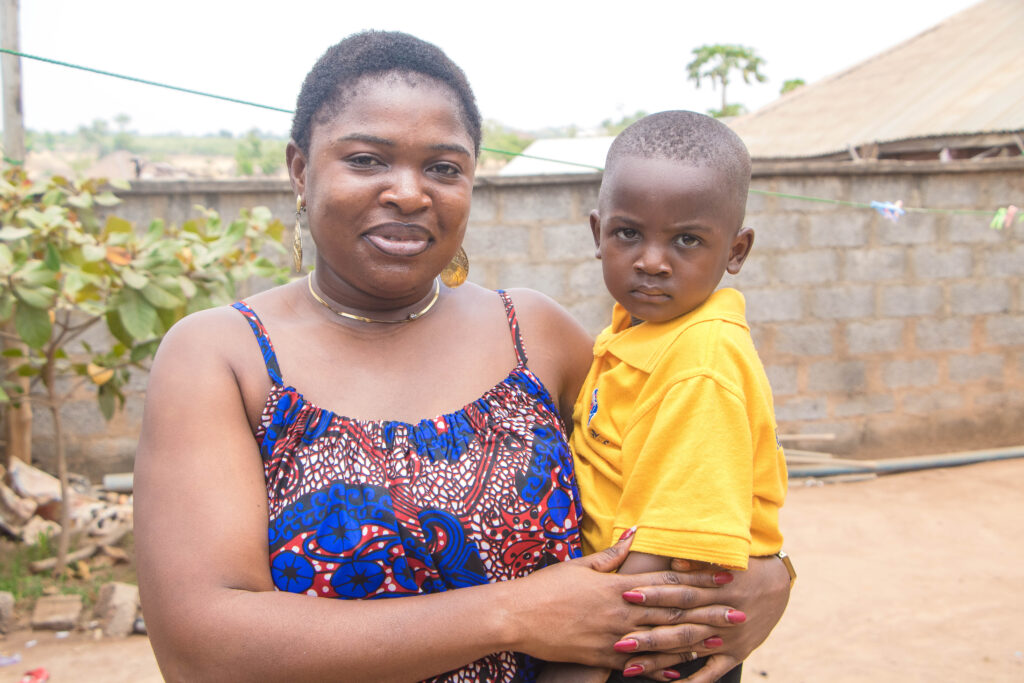
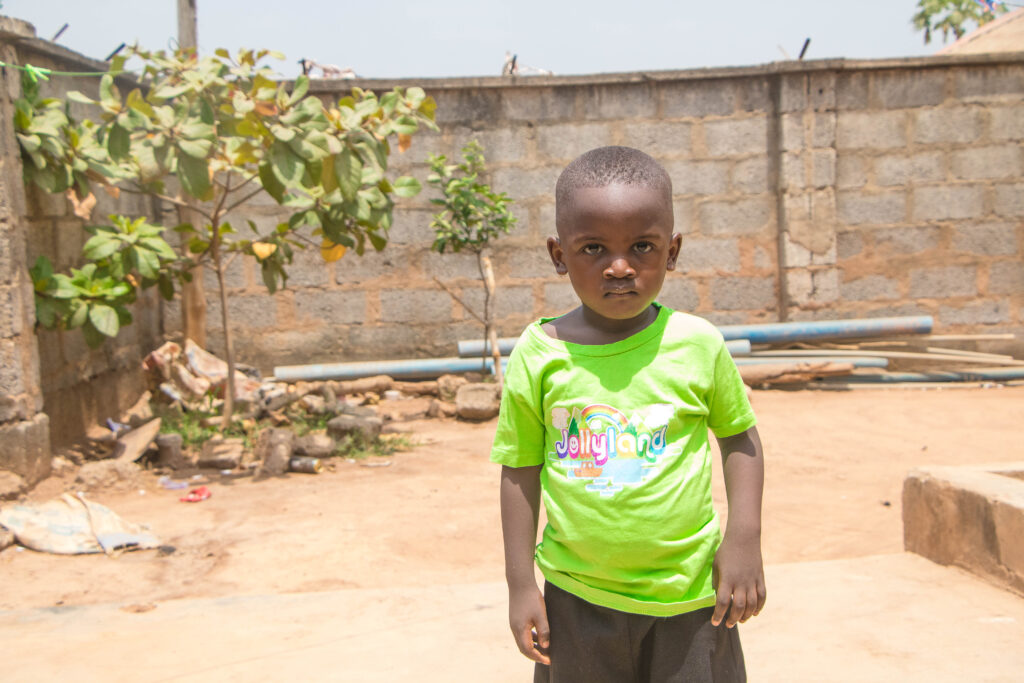
Three-year old Faithful Dam is one of the children identified with tuberculosis by the Global Fund GC7, Nigeria TB-HIV Reach Integration and Impact Project (N-THRIP program). More than 60,0000 children have been identified from January 2024 till date under the project.  Faithful is now TB free after completing six months of treatment. His story is one of collective efforts and resilience to fight tuberculosis.

Faithful’s experience with tuberculosis started in April 2025 when his mother, Gloria Dam, noticed swollen lymph nodes all over his neck. She wondered what to do about the hard swellings and went to a nearby patent medicine store where she obtained antibiotics.

The antibiotics she got were only the beginning of several medications which drained her family’s income. When his health did not improve, she got more worried and asked family, friends and neighbours what to do.

“Some told me to rub palm oil on him, others said it was spiritual and I should take him to the village for prayers. Some said I should press the swollen area with hot water. Faithful did not get better after she tried herbs and local therapies. I was frustrated, tired and had several sleepless nights. I did not even think that it could be tuberculosis because nobody around me has had tuberculosis. I used to think that tuberculosis only infects people who smoke,” Gloria said.

She shunned pressure to go to spiritualists and rather went to a nearby Primary Health Center. Gloria discovered that the health care workers at the center were on strike, so she went to Garki Hospital in Abuja.

The TB Directly Observed Therapy (DOT) Officer at the hospital, Salome Chijioke recalled that when Gloria stepped into the TB DOT Clinic in August 2025, she was crying and her baby was weak with a high fever.

“When they came, we reassured them that they have come to the right place. A Gene Xpert test and Chest Xray were conducted for Faithful which showed that he had tuberculosis,” Salome said.

Gloria was sad when she heard the diagnosis but relieved to know that TB is curable. She was also happy that when Faithful commenced treatment, he showed signs of improvement.

The path to health was not one that she walked alone. Her husband provided moral support and care for her and Faithful while Faithful’s siblings also cooperated when he needed to be out of school for two months. The DOT officer provided counselling and support to ensure that her son adhered to the medications for six months even when initial side reactions tempted her to stop treatment.

Medications were given to her for free with funding support from the Global Fund, TB program coordination by NTBLCP and implementation by IHVN and the Association for Reproductive and Family Health (ARFH).

Faithful’s progress was also monitored closely at the DOT center. Salome, the TB DOT Officer, called Gloria often to check Faithful’s health, they received medications and one-on-one counselling support monthly during visits. Follow-up tests were conducted at month two, month five and after completion of the medication, at month six at the hospital.

Faithful also contributed to the success of his treatment by willingly taking his medication.

“Every day, he would remind me about his medication. Initially, I was concerned that he might reject the medications, but he was cooperative,” Gloria added.

The family was also tested for tuberculosis and placed on TB preventive treatment.

Faithful is now healthy and strong enough to play, participate in his usual school activities and even write his end-of-term exams.

“I am grateful for all the support given. I know we would not have been able to afford the medications if it was not provided for free. I advise mothers to immediately go to the hospital if they notice the same kind of symptoms that Faithful had. I regret that I delayed in seeking opinions from friends and neighbours before seeking medical help. I wasted time and money.” Gloria said.

Salome added that it is important to continue to create awareness about tuberculosis to stop its spread and leave no one behind. Symptoms to look out for include cough for more than two weeks, fever, night sweets and weight loss.

According to her, “some people think that tuberculosis can be transmitted from mother to child, but TB is an airborne disease.”

IHVN Program Manager, Dr. Adekola Adekunle explained that innovative strategies such as the National Childhood TB Testing Week, Childhood TB diagnosis using stool sample for Xpert MTB/RIF test, support for X-ray services among children, active contact investigation of households of bacteriologically diagnosed index TB patients, integration with other disease programs, are being implemented to find and treat tuberculosis in children and these has offered promising strongpoints for ending tuberculosis in our lifetime.

Indeed, it takes the collective responsibility of all to leave no child behind in addressing tuberculosis.

1 2 3 … 7