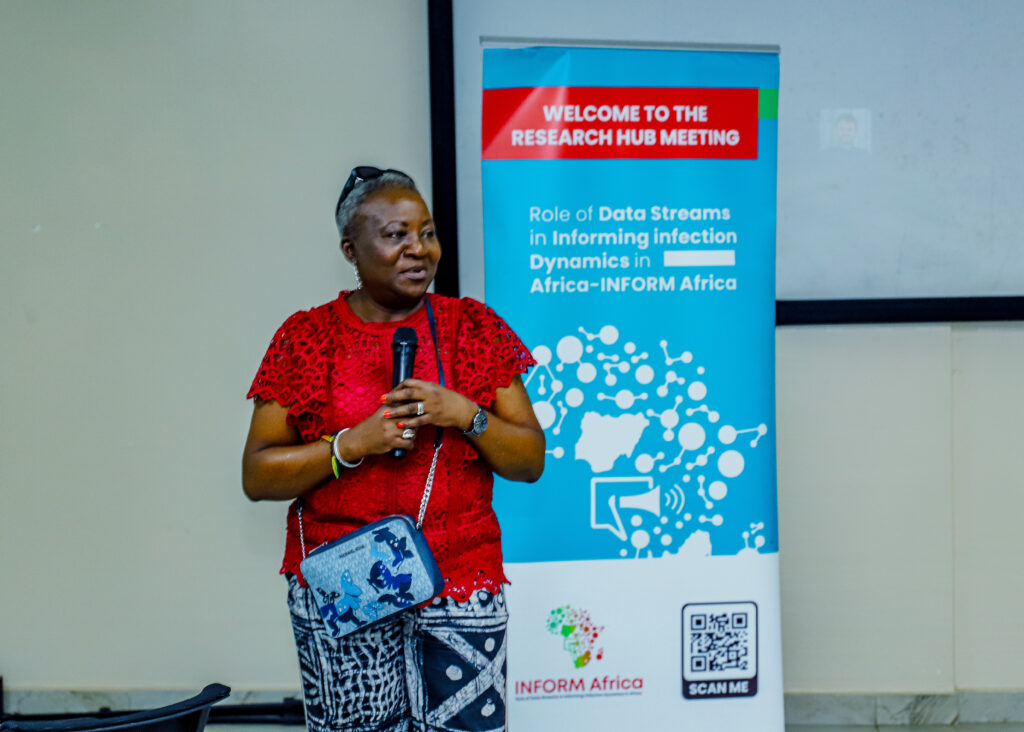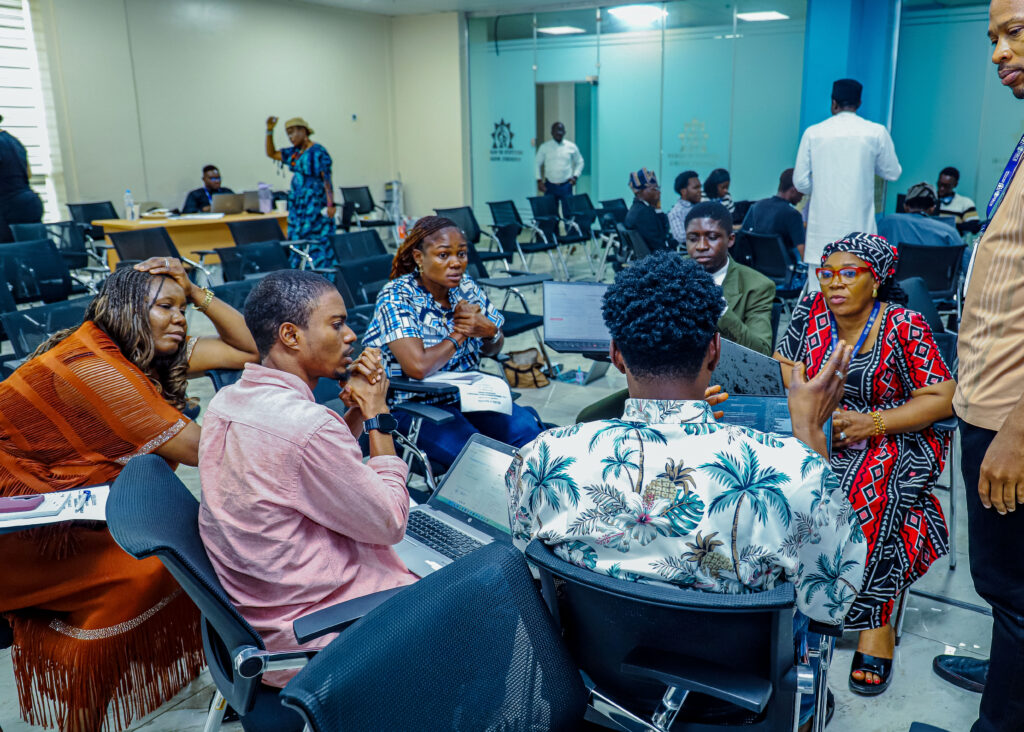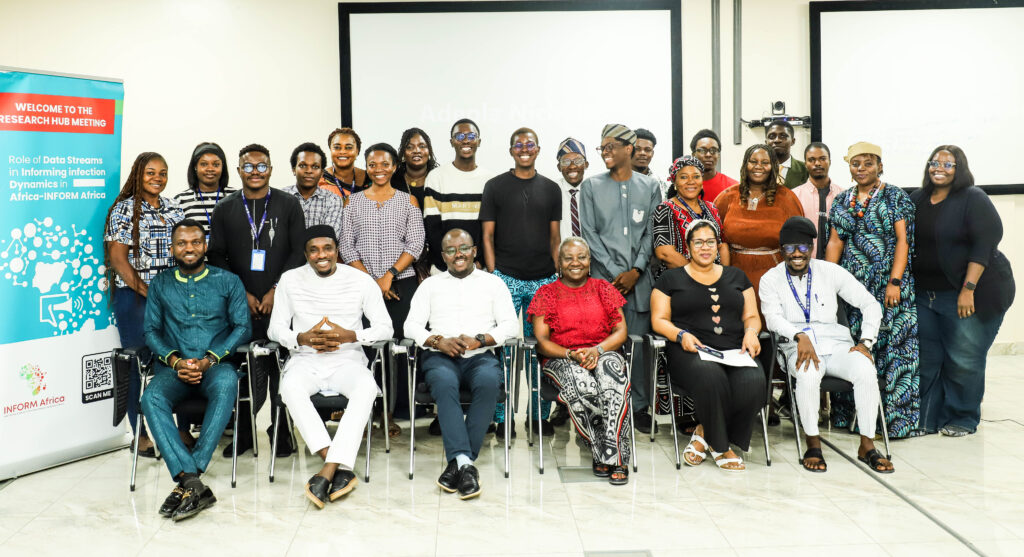
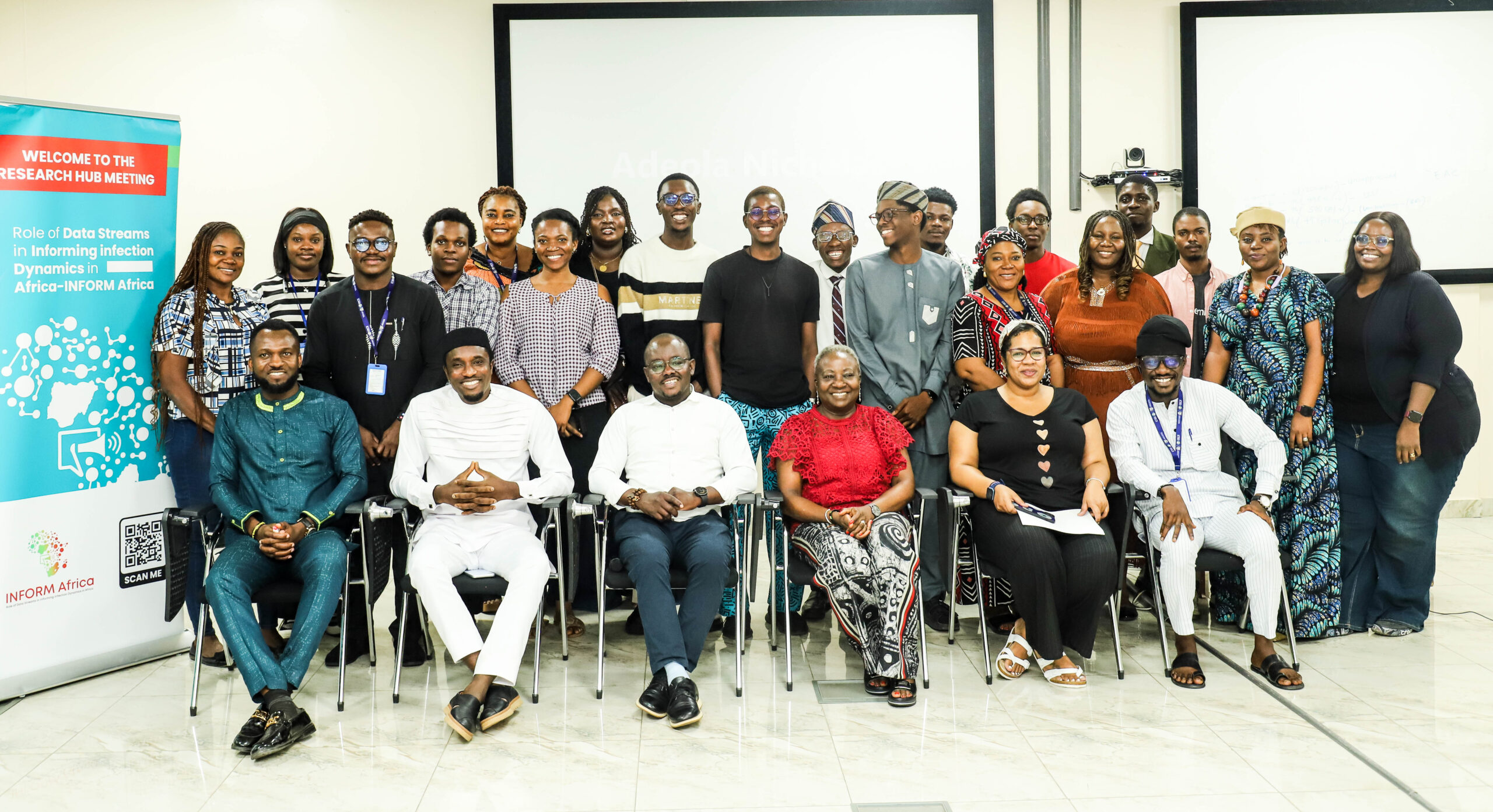
To facilitate the practical application of Artificial Intelligence and Machine Learning (AI/ML) to the development of simple, scalable digital solutions for public health challenges, the International Research Center of Excellence (IRCE) at the Institute of Human Virology Nigeria (IHVN) has organized a hackathon.
The one day novel event was one of the activities hosted as part of the 4th IRCE Annual Scientific Symposium in Abuja.
Two teams of six each participated in identifying AL/ML applications to; infectious disease screening using structured clinical and programmatic indicators andclinical documentation using a hybrid approach.
The winning team bagged a ₦300,000.00 while the runner-up team went home with ₦150,000.00
At the event, IRCE Executive Director, Prof. Alash’le Abimiku emphasized the importance of leveraging data from government and other relevant sources to develop innovative solutions to infectious diseases and pandemics that disproportionately affect Africa and have implications for the global community.
“The hackathon is a platform for our young and early career researchers to try new AI innovations,” she said.
Prof Abimiku is also the Contact Principal Investigator for the INFORM Africa project which sponsored the hackathon.
She highlighted the various INFORM Africa pilot activities aimed at addressing infectious diseases, strengthening data-driven decision-making and improving pandemic preparedness.
INFORM Africa, brings together a multisectoral and multidisciplinary group of investigators with complementary expertise in data science, infectious disease epidemiology, geospatial statistics and agent-based modeling, community-wide and health surveillance systems, infectious disease medicine, immunology, mobility epidemics, bioinformatics and molecular evolution to collectively work on emerging pandemics like SARS-CoV-2 and their relationship with HIV-1 in Nigeria and South Africa.
INFORM Africa Research Project is a collaboration between the Institute of Human Virology Nigeria (IHVN) and the Centre for the AIDS Programme of Research in South Africa (CAPRISA), their partner universities in the United States and South Africa, as well as an industry collaborator from Zambia (AKROS).