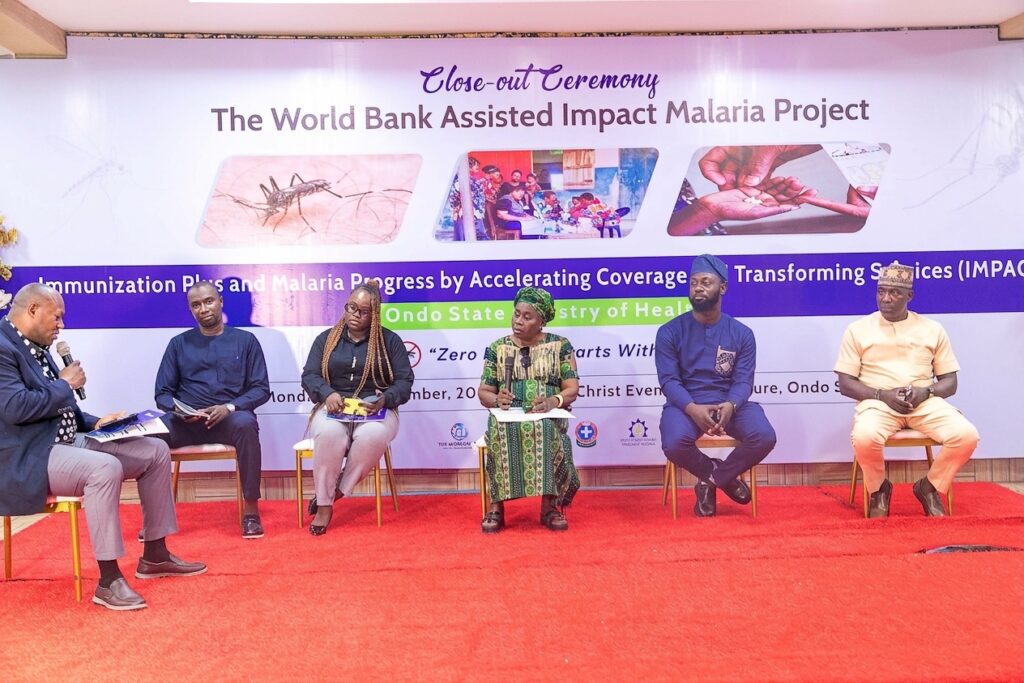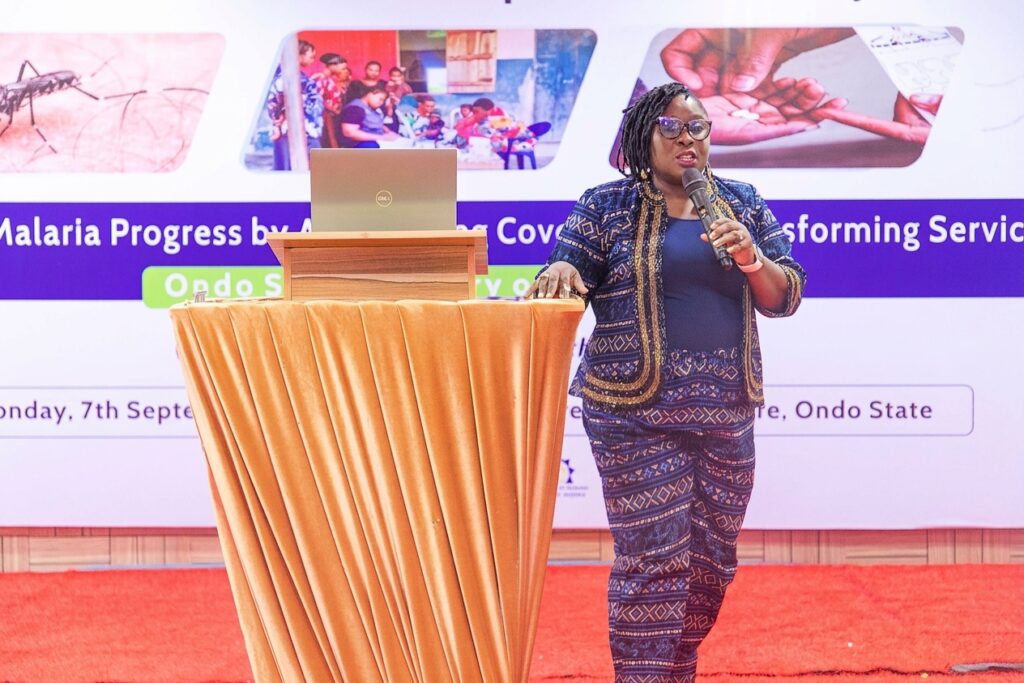
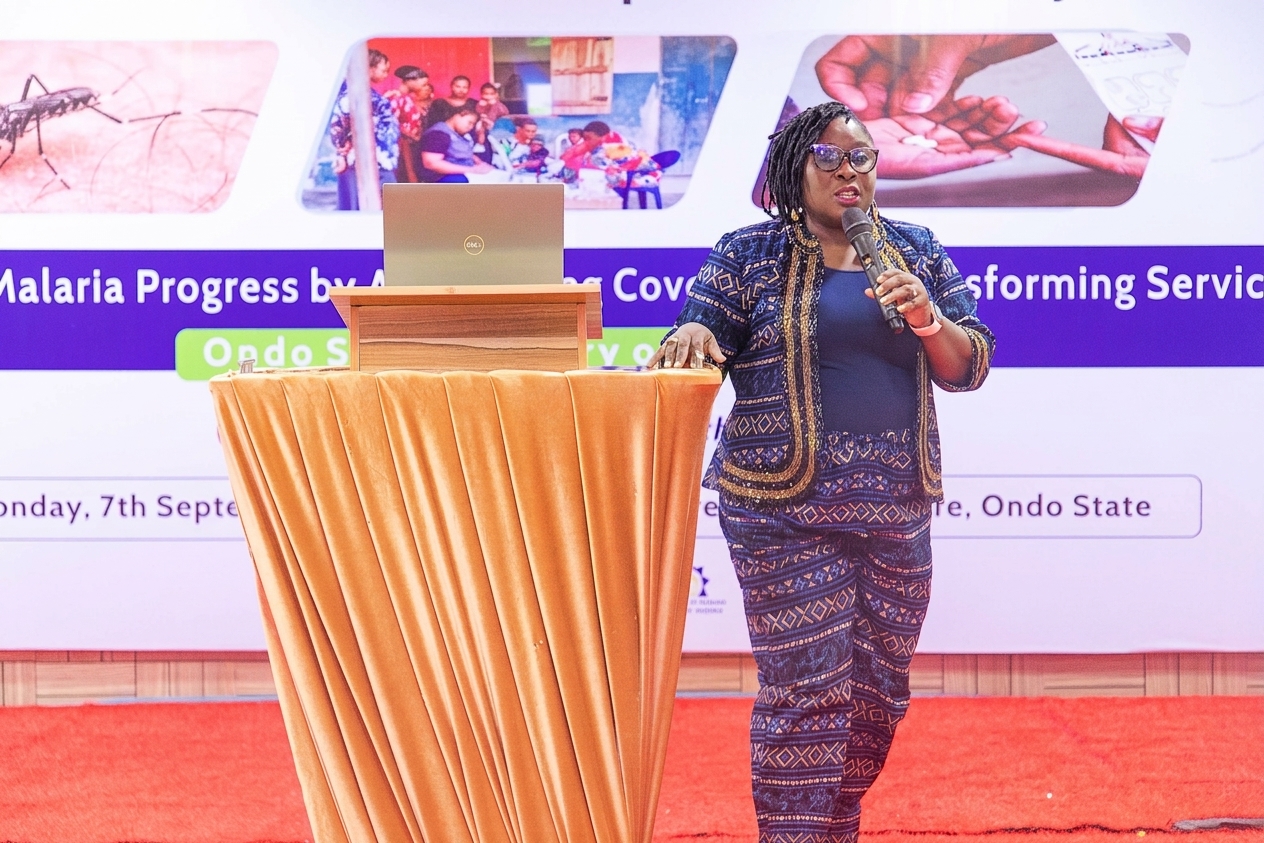
Stakeholders in the health sector in Ondo State have gathered to mark the close of the malaria component of the Immunization Plus and Malaria Progress by Accelerating Coverage and Transforming Services (IMPACT) Project in Akure. The project was implemented from November 2024 to October 2025 and resulted in a reduction of malaria prevalence in the state from 27% to 13%.
At the event, Ondo State Commissioner of Health, Dr. Banji Awolowo Ajaka lauded the efforts of the Institute of Human Virology Nigeria (IHVN) in the implementation of the project.
“We are happy with the progress in the implementation of both the malaria and immunization program. IMPACT project has been impactful in Ondo State. The overall project objective was to reduce under five mortality by 40%. As it is today, Ondo State has surpassed that. The malaria prevalence rate has reduced from 27% to 13%. For us, that means the project has been impactful.
We want to reduce the prevalence to zero. We will continue to collaborate with Non-State Actors, World Bank and partners to achieve this objective.,” he said.
IHVN Chief Operating Officer and Managing Director, Dr. Charles Olalekan Mensah said that the massive support by the state government provided the enabling environment for the project’s success.
“We were able to reach all the mile stones because of the strong leadership of the state. The World Bank invested ₦1.5 billion on the malaria component of the project and the project was implemented in all the local governments in the state. I would say it has been a well spent resource.”
Stakeholders at the event including the World Bank, State government health agencies, the National Malaria Elimination Programme (NMEP), health specialists, community based organizations and project beneficiaries commended the achievements of the project and called for sustainability of the project’s gains.
IHVN Chief of Party of the IMPACT Malaria Project, Dr. Temitope Kolade explained that the project provided malaria services in 203 health facilities in the state.
“The goal of the project was to promote uptake of malaria prevention & treatment services in high malaria burden rural areas. IHVN scope of work included managing logistics and distribution of Long-Lasting Insecticide Treated Nets (LLIN), employing strategies to ensure that families hang-up and use LLINs, improving the management of malaria, improving household malaria prevention behaviors, increasing household use of appropriate malaria care-seeking and treatment and distribution of other malaria control commodities,” she said.
Dr. Kolade said that through the project, the Institute Improved the availability and quality of malaria services at primary health centers and created awareness of malaria preventive and treatment services in communities.
“A total of 519 frontline health workers and ad hoc staff were trained to enhance malaria diagnosis and treatment across supported facilities. The training improved the use of Rapid Diagnostic Tests and adherence to treatment guidelines. We also organized training for 350 community health extension workers and volunteers. These health workers and volunteers were attached to health facilities and equipped to drive malaria testing, and treatment services at the community level,”
According to her, “Eight community-based organizations were engaged to lead effective malaria services demand generation and delivery at the community-level thus leading to increased uptake of malaria information/services.”
She explained that innovative strategies such as school-based outreaches, collaboration with traditional birth attendants to reach women seeking care in informal settings and engagement of stakeholders at the community level to participate in the program contributed to the project’s success.
The Chief of Party stressed that community-based implementation and social behaviour change communication remains one of the most effective way of improving coverage and uptake of any health products and/or services.
The event also featured presentation of awardsto outstanding community based organizations, community health extension workers, health facilities and volunteers.